
By Graham Hesselsweet | March 2022
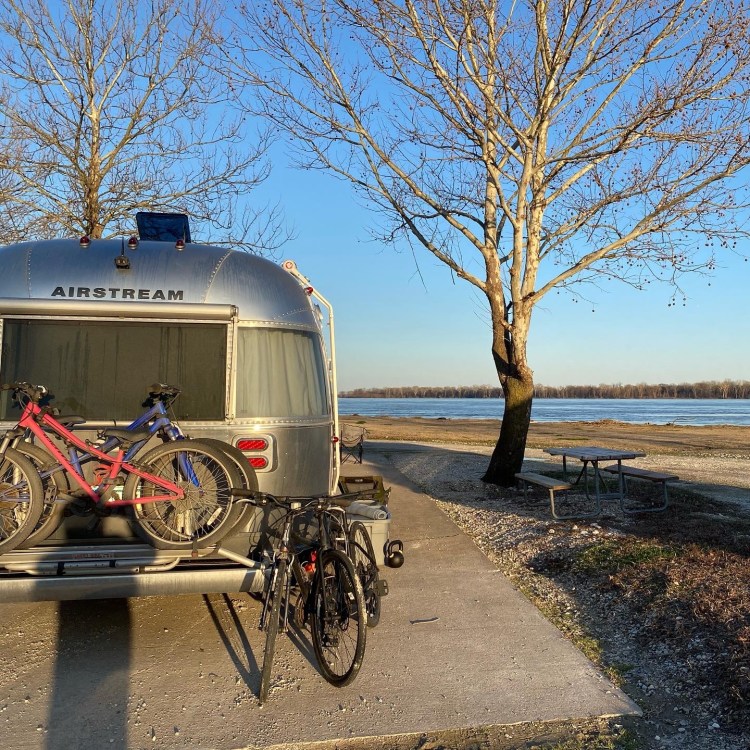
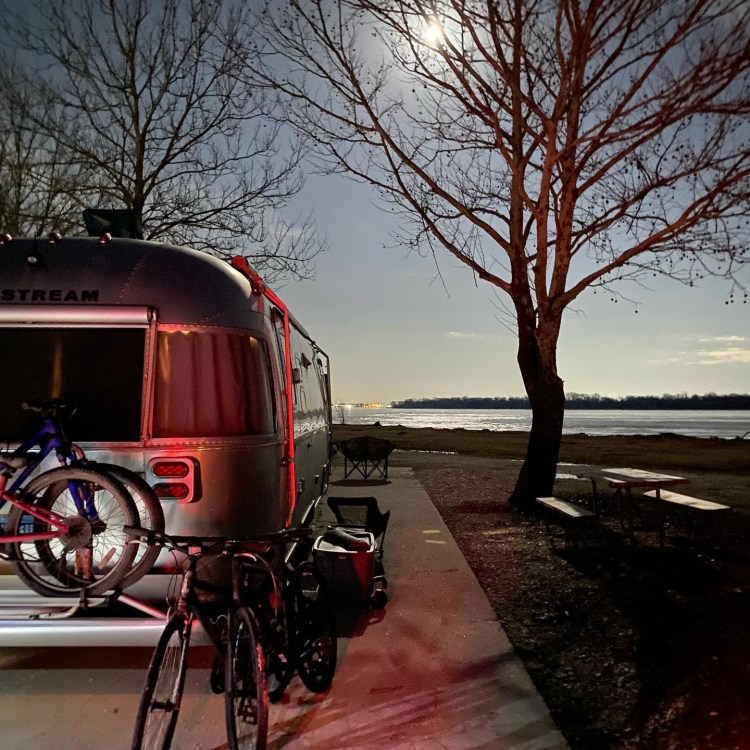
In Memphis, we camped on the Mississippi River at Tom Sawyer’s RV Park. We were reading The Adventures of Huckleberry Finn by Mark Twain at the time. Emma says “It’s kind of amazing how kids of that day had to do crazy things like raft down the Mississippi River and keep themselves alive.” In the river there were barges pulling large amounts of commercial cargo, massive logs and trees floating down at short intervals really quickly, heavy currents and rapids, and possibly industrial waste from nearby factories. It was fascinating to sit and watch the river.

Here in Memphis we began our journey along the U.S. Civil Rights Trail. We first visited the Slave Haven Underground Railroad Museum. This museum is housed in a former private home that was recently discovered through oral family history to have been an important stop on the underground railroad. Nothing was written down because it was too dangerous. The house was even built for this purpose, set out in the woods, away from the town, within a couple of blocks of the river. Enslaved people used the river to travel north — after the passage of the Fugitive Slave Act they had to get all the way to Canada or they could be caught in the northern states and sent back to slavery. They could stop along the way at this house for food, supplies, rest, and information. A lawn jockey holding a lantern on the porch was a symbol. If the lantern was lit, it was safe to approach the house and ask for help. If not, this was a sign of possible danger. Some other signs of safety are a magnolia tree, which is evergreen and a sign that the people inside the house will help (“look for the green tree”). Also, quilts hung strategically on clotheslines were used: various patterns from Africa communicated messages to the enslaved people to help them plan their escape. The house had a tunnel leading to a crawl space underneath, ranging from 2 feet to 6 feet high with a dirt floor for fleeing people to hide until they were ready to go to the river and continue on. While the underground railroad is more a network of houses and people than any physical structure, if there is a physical representation, it is the Mississippi (and Ohio) River.
Below was written by mom on Instagram and is reproduced here for posterity:
“Had an amazingly delicious lunch when we stumbled by lucky accident into Ms. Girlee’s Kitchen, a Memphis institution and black-owned business run by a family with deep roots in the Civil Rights movement as part of the I Am A Man sanitation worker strikes that drew MLK to the city where he was ultimately assassinated in his late-career push for economic justice. Our vegetarian selections included this amazing cabbage, yams, mac and cheese, cornbread muffins, and banana pudding and peach cobbler for dessert.

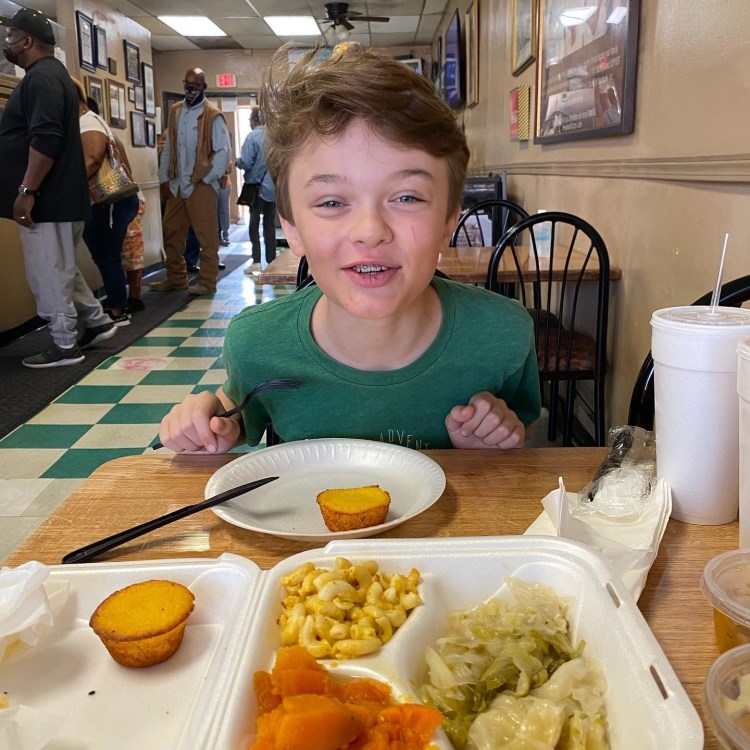

We met local celebrity barber Warren Lewis outside! We are going to learn more about him (and some of his famous family members) today at the Stax Museum of American Soul.

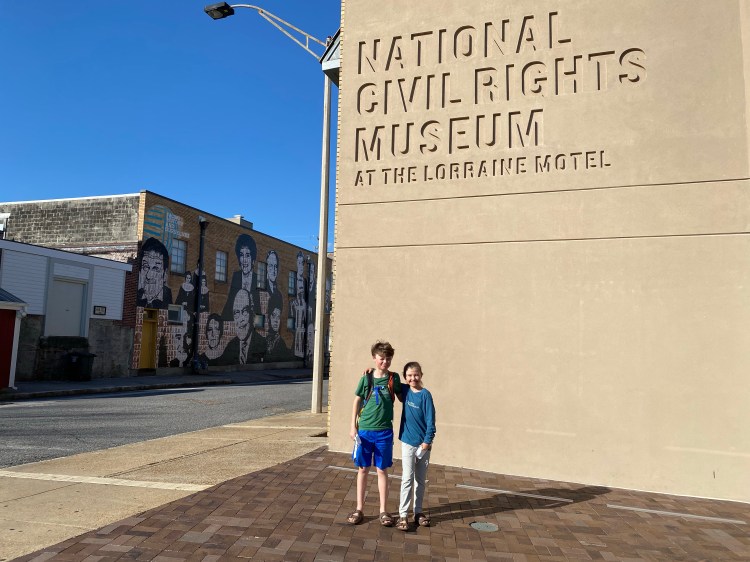
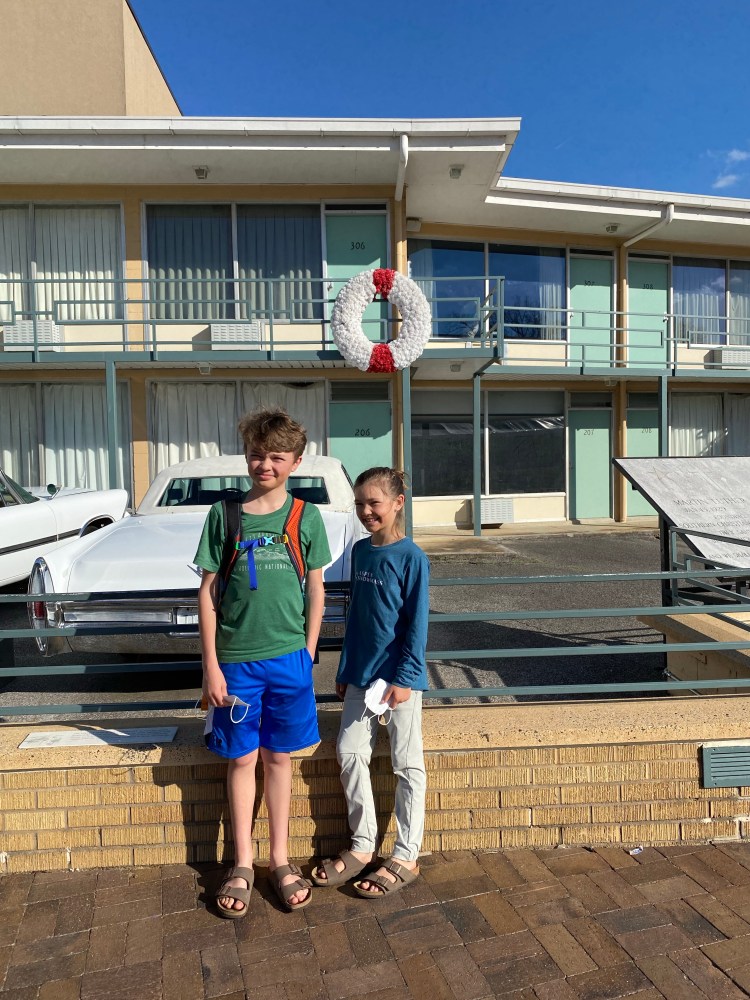
Finished the day with a visit to the National Civil Rights Museum, an immersive journey through some recent events in American history that will take us awhile to process. In the evenings, we sit and watch barges go down the Mississippi River and talk. “If American does not use her vast resources of wealth to end poverty and make it possible for all of God’s children to have the basic necessities of life, she too will go to hell.” Dr. King said this 54 years ago yesterday. Two weeks later, he was murdered here in Memphis. Lots of painful history here, and also lots of joy, creativity, strength, faith, and innovation.”


 The Peace of Wild Things